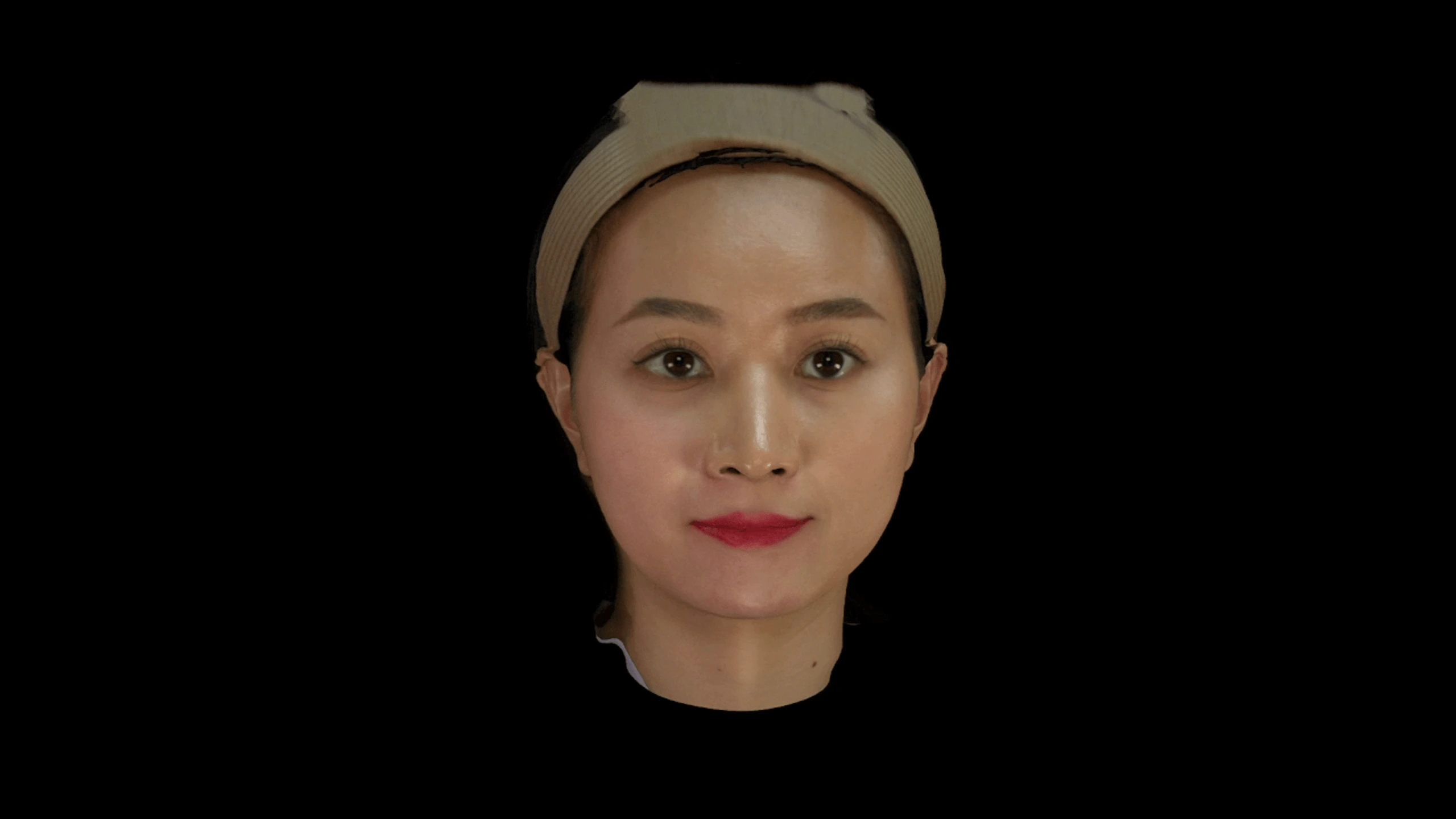
4D is not a "more advanced 3D". It solves dynamic problems; if the need is static measurement, the extra frames only add workload to the process.
1. Different ways of capturing
3D static scanning records a 3D model in a neutral expression in a single capture, and suits structural measurement, plan design and before-and-after comparison. 4D dynamic scanning records facial change continuously over a period of time, and the MVS-C4D supports facial dynamic capture at 16fps.
Static data is like a photograph you can measure; dynamic data is like a 3D recording you can replay. The two follow different analysis conventions and cannot directly replace each other.
2. What problems 4D is suited to
When facial change during smiling, speaking or swallowing needs to be observed, a single static frame is not enough. Orthodontics, oral and maxillofacial work and some research settings focus on symmetry, lip-tooth relationships and soft-tissue movement during dynamic processes.
The MVS-C4D is aimed at oral and maxillofacial use and supports CBCT (DICOM) data import, 3D cephalometric analysis and digital smile design (DSD), which makes it suitable for adding dynamic capture to an existing dental workflow.

3. When 3D static is enough
Routine aesthetic consultations, nasal and contour plan discussions and static before-and-after comparison are all centered on structural measurement. Static devices such as the MVS-P6, MVS-C6, MVS-800 and MVS-M6 can handle these settings, with a shorter process and lower training cost.
If a clinic has no need for dynamic analysis, buying 4D equipment for "more complete specifications" is not recommended. Idle equipment is more common than insufficient specifications.
4. Costs that are easy to overlook when choosing a model
4D brings larger data volumes, longer processing time and higher operating demands. Storage, backup, staff training and workflow changes all need to be counted. When capturing dynamic data, patient cooperation, lighting stability and device position all affect the result.
| Comparison item | 3D static scanning | 4D dynamic scanning |
|---|---|---|
| What is captured | A single-frame neutral-expression model | Facial change over a continuous period |
| Typical use | Structural measurement, design, before-and-after comparison | Dynamic expression, orthodontic and maxillofacial assessment, research |
| Process complexity | Lower, easy to standardize | Higher, with greater demands on cooperation and lighting |
| Data volume | Smaller | Larger, requiring storage and backup planning |
| Representative models | MVS-P6, MVS-C6, MVS-800, MVS-M6 | MVS-C4D |
5. A simple order of questions
First ask whether the process needs to be seen. If only the resulting form matters, choose 3D static; only when the process of expression change must be observed should 4D be considered. Then ask who will analyze it. If a clinic has no one who can use dynamic data consistently, the value of 4D is hard to realize.
Related pages: MVS-C4D, MVS-P6, MVS-C6, 3D digital facial scanning system, 3D model selector.
This article describes product functions and processes and does not constitute medical advice; specific configurations, specifications and deliverables are subject to the product version and the contract.